Restraint Is the Luxury: What Japan (and Pitti) Teach Us About Enduring Brands

There is a particular kind of confidence shared by British brands that have endured beyond fashion cycles, beyond markets, and beyond their own moment of origin. It is not performative, nor is it concerned with relevance in the seasonal sense. It is quieter than that and harder to manufacture. This weekend’s Financial Times piece on Nigel Cabourn, Margaret Howell and Paul Smith, and their sustained success in Japan, is ostensibly about clothing, but its implications stretch far wider. It is, in truth, a study in restraint.

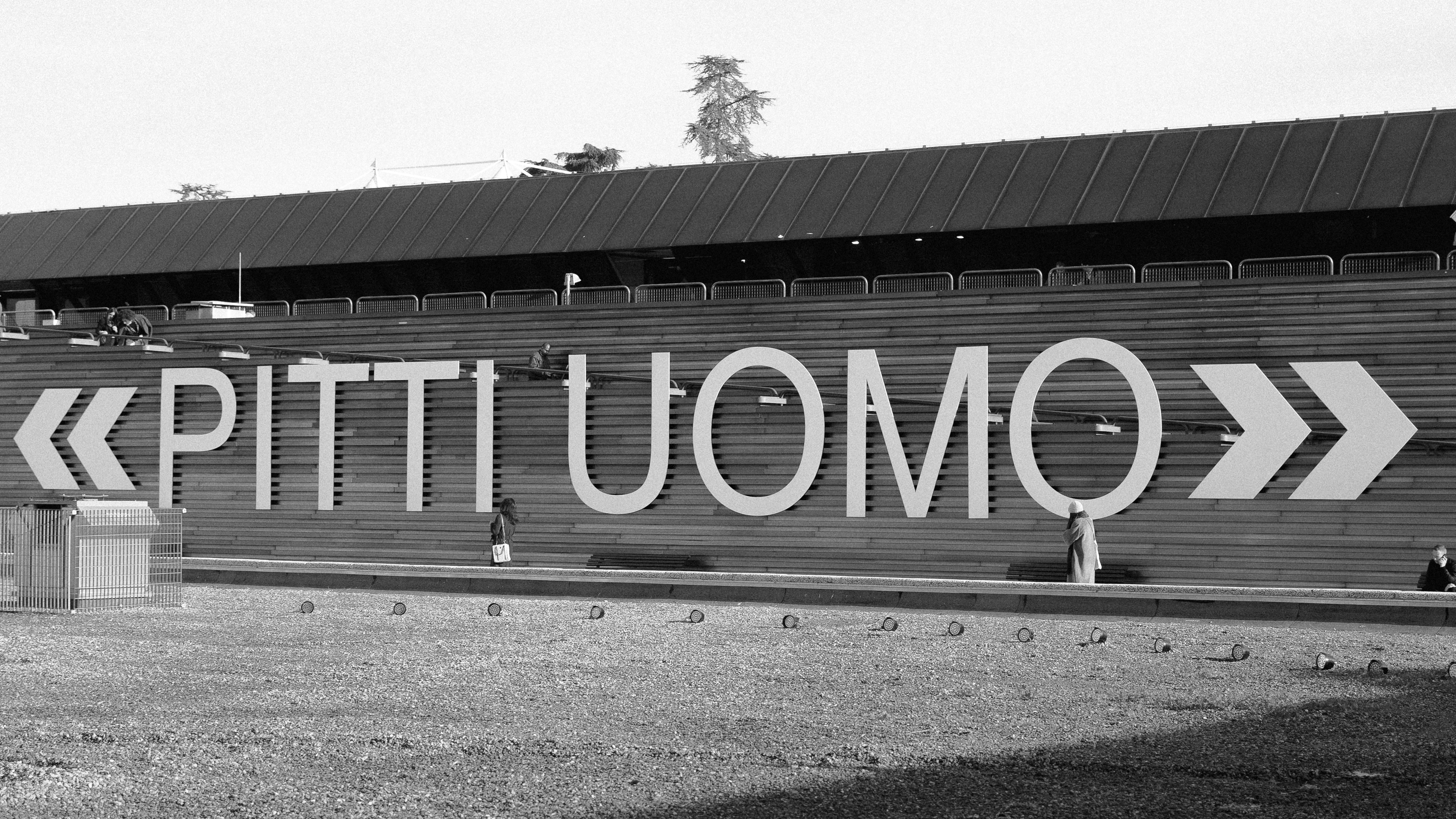
Reading it as we make our bi-annual pilgrimage to Pitti Uomo, the article sharpens the argument. Pitti Uomo remains one of the great stages of menswear: declarative, expressive, confident in its own theatre. Yet amid the silhouettes and statements, it becomes clear that what the industry celebrates and what the market ultimately rewards are not always the same thing. The former prizes reinvention; the latter, coherence.

Japan’s relationship with British brands has never been about costume. What resonates there is not the aesthetic shorthand of tweed or countryside romanticism, but a deeper logic: function first, material honesty, a refusal to over-articulate intent. These brands are not admired because they are British, but because they are precise. They offer systems rather than gestures, garments that feel inevitable rather than designed.

Japanese consumers, as the FT notes, engage with clothing almost as if it were an academic pursuit. Construction, provenance, pattern, ageing, and repeat wear are all carefully read over time. Loyalty is not transactional but curatorial. It is not uncommon for a customer to buy everything from a single maker, season after season, trusting the consistency of approach rather than chasing novelty. This is not brand fandom; it is brand literacy.

What makes this enduring appeal notable is how little these brands attempt to explain themselves. There is no anxiety about being understood quickly. Their storytelling is implicit, embedded in product decisions rather than layered on top. This runs counter to much contemporary brand behaviour, particularly online, where the pressure to communicate, persuade and convert has led to a kind of narrative inflation. Heritage, in these cases, becomes something to be declared rather than demonstrated.

The brands that endure resist this impulse. They behave less like campaigns and more like libraries. Each season adds a volume; nothing invalidates what came before. Modernity is introduced carefully, internally, without rupture. Change, when it arrives, feels earned rather than announced. The result is not stasis, but continuity, a sense that the brand is moving forward at its own pace, unconcerned with external noise.

This is where many heritage businesses falter today. Faced with new markets, new audiences and new digital expectations, they mistake visibility for progress. In the rush to modernise, they add complexity where lucidity once existed, volume where subtle assurance once sufficed. Websites become busier, messaging louder, storytelling more explicit. The irony is that in doing so, they degrade the very qualities that made them beneficial in the first place.

Japan offers a corrective. It reminds us that restraint is not the omission of drive but a form of discipline. That growth does not require reinvention, only alignment. That modernity, when imposed too quickly or too visibly, can feel cosmetic rather than impactful. The brands that succeed there understand this instinctively. They refine rather than refresh. They trust their audience to notice small changes, to appreciate nuance, to return without being chased.

Pitti Uomo, with this in mind, reveals a quiet hierarchy. The most confident brands are not those announcing themselves most loudly, but those surrounded by buyers who already understand what they stand for. Their presence does not rely on spectacle. It relies on consistency. In a room full of statements, coherence becomes conspicuous.

This has implications well beyond the product. In digital environments, especially, heritage brands face a subtle challenge: how to translate restraint into experiences without diluting it. The temptation is to compensate for quietness with interaction, to replace confidence with persuasion. Yet the most effective digital expressions of heritage behave much like the brands themselves: calm navigation, considered pacing, and an assumption of intelligence on the part of the user. Discovery is invited, not forced. The experience feels closer to an atelier than a funnel.

Luxury, increasingly, is not defined by excess but by editing. In an era of constant acceleration, the ability to move slowly and deliberately has become rare. The brands that understand this do not compete for attention; they allow attention to find them. Their value accrues over time, through repetition, familiarity and trust.

What the FT article ultimately reveals is not why British brands are loved in Japan, but why certain brands endure anywhere. They are clear about who they are. They resist the urge to explain themselves to death. They evolve internally rather than theatrically. They understand that coherence, maintained over decades, is more compelling than relevance achieved in a season.

Seen through this lens, restraint is no longer a stylistic choice, but a calculated one. It is the discipline of knowing what to leave out. It is the confidence to let the work speak for itself. And in a market increasingly saturated with noise, it has become the rarest luxury of all.

Words by
Studio Graft
CATEGORIES
Insights
Publication date
11/1/2026
No items found.

Restraint Is the Luxury | Studio Graft

An FT-style editorial on British heritage brands, Japan, and what restraint, coherence and quiet confidence mean for enduring luxury brands today.

There is a particular kind of confidence shared by British brands that have endured beyond fashion cycles, beyond markets, and beyond their own moment of origin. It is not performative, nor is it concerned with relevance in the seasonal sense. It is quieter than that and harder to manufacture. This weekend’s Financial Times piece on Nigel Cabourn, Margaret Howell and Paul Smith, and their sustained success in Japan, is ostensibly about clothing, but its implications stretch far wider. It is, in truth, a study in restraint.

Reading it as we make our bi-annual pilgrimage to Pitti Uomo, the article sharpens the argument. Pitti Uomo remains one of the great stages of menswear: declarative, expressive, confident in its own theatre. Yet amid the silhouettes and statements, it becomes clear that what the industry celebrates and what the market ultimately rewards are not always the same thing. The former prizes reinvention; the latter, coherence.

Japan’s relationship with British brands has never been about costume. What resonates there is not the aesthetic shorthand of tweed or countryside romanticism, but a deeper logic: function first, material honesty, a refusal to over-articulate intent. These brands are not admired because they are British, but because they are precise. They offer systems rather than gestures, garments that feel inevitable rather than designed.

Japanese consumers, as the FT notes, engage with clothing almost as if it were an academic pursuit. Construction, provenance, pattern, ageing, and repeat wear are all carefully read over time. Loyalty is not transactional but curatorial. It is not uncommon for a customer to buy everything from a single maker, season after season, trusting the consistency of approach rather than chasing novelty. This is not brand fandom; it is brand literacy.

What makes this enduring appeal notable is how little these brands attempt to explain themselves. There is no anxiety about being understood quickly. Their storytelling is implicit, embedded in product decisions rather than layered on top. This runs counter to much contemporary brand behaviour, particularly online, where the pressure to communicate, persuade and convert has led to a kind of narrative inflation. Heritage, in these cases, becomes something to be declared rather than demonstrated.

The brands that endure resist this impulse. They behave less like campaigns and more like libraries. Each season adds a volume; nothing invalidates what came before. Modernity is introduced carefully, internally, without rupture. Change, when it arrives, feels earned rather than announced. The result is not stasis, but continuity, a sense that the brand is moving forward at its own pace, unconcerned with external noise.

This is where many heritage businesses falter today. Faced with new markets, new audiences and new digital expectations, they mistake visibility for progress. In the rush to modernise, they add complexity where lucidity once existed, volume where subtle assurance once sufficed. Websites become busier, messaging louder, storytelling more explicit. The irony is that in doing so, they degrade the very qualities that made them beneficial in the first place.

Japan offers a corrective. It reminds us that restraint is not the omission of drive but a form of discipline. That growth does not require reinvention, only alignment. That modernity, when imposed too quickly or too visibly, can feel cosmetic rather than impactful. The brands that succeed there understand this instinctively. They refine rather than refresh. They trust their audience to notice small changes, to appreciate nuance, to return without being chased.

Pitti Uomo, with this in mind, reveals a quiet hierarchy. The most confident brands are not those announcing themselves most loudly, but those surrounded by buyers who already understand what they stand for. Their presence does not rely on spectacle. It relies on consistency. In a room full of statements, coherence becomes conspicuous.

This has implications well beyond the product. In digital environments, especially, heritage brands face a subtle challenge: how to translate restraint into experiences without diluting it. The temptation is to compensate for quietness with interaction, to replace confidence with persuasion. Yet the most effective digital expressions of heritage behave much like the brands themselves: calm navigation, considered pacing, and an assumption of intelligence on the part of the user. Discovery is invited, not forced. The experience feels closer to an atelier than a funnel.

Luxury, increasingly, is not defined by excess but by editing. In an era of constant acceleration, the ability to move slowly and deliberately has become rare. The brands that understand this do not compete for attention; they allow attention to find them. Their value accrues over time, through repetition, familiarity and trust.

What the FT article ultimately reveals is not why British brands are loved in Japan, but why certain brands endure anywhere. They are clear about who they are. They resist the urge to explain themselves to death. They evolve internally rather than theatrically. They understand that coherence, maintained over decades, is more compelling than relevance achieved in a season.

Seen through this lens, restraint is no longer a stylistic choice, but a calculated one. It is the discipline of knowing what to leave out. It is the confidence to let the work speak for itself. And in a market increasingly saturated with noise, it has become the rarest luxury of all.

Words by
Studio Graft
CATEGORIES
Insights
Publication date
11/1/2026
6/3/2025
Next
Bridging Real and Virtual: The Quiet Role of Digital in High-Touch Luxury